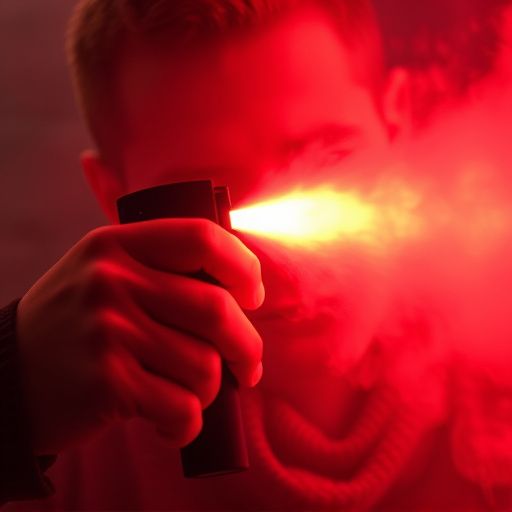
Optimizing riot control with pepper spray requires understanding its Pepper Spray Distance (up to 20 meters) and how Wind Factors significantly impact effectiveness. Strong winds can blow spray back at users, while light breezes may not disperse it enough. Police must consider wind conditions to balance control, minimize risks, and ensure safe riot management.
In the realm of riot control, inflammatory spray dispensers have emerged as a game-changer. Understanding the pepper spray distance is crucial for effective deployment, as it can determine the success of crowd dispersion tactics. Wind factors play an equally vital role, influencing the spray’s range and direction. This article delves into these key considerations, offering insights on optimizing the use of inflammatory riot control spray dispensers in various scenarios, ensuring both safety and efficiency.
- Understanding Pepper Spray Distance: How Effective is It?
- Wind Factors: A Crucial Consideration in Riot Control
- Optimizing the Use of Inflammatory Riot Control Spray Dispensers
Understanding Pepper Spray Distance: How Effective is It?
Understanding Pepper Spray distance is crucial for effective riot control. The effectiveness of pepper spray relies heavily on factors like wind speed and direction, as well as atmospheric conditions. In optimal conditions, pepper spray can reach distances up to 20 meters (65 feet), causing temporary blindness, difficulty breathing, and pain, thereby enabling law enforcement to control and disperse rioters.
However, wind factors significantly impact its range. Strong winds can blow the spray back towards the user, rendering it ineffective or even dangerous. Conversely, calm or light winds allow for greater accuracy and extended reach. Awareness of these wind dynamics is essential for tactical planning when deploying pepper spray in riot scenarios.
Wind Factors: A Crucial Consideration in Riot Control
In the chaos of a riot, wind factors play a pivotal role in the effectiveness and safety of using pepper spray. The direction and strength of the wind can significantly impact the dispersion and reach of the spray, affecting both its accuracy and potency. Understanding these factors is crucial when it comes to strategic deployment during civil unrest.
When pepper spray is released into the air, the wind acts as a carrier, determining how far and in what direction it travels. Strong winds can carry the spray further, potentially causing unintended harm to bystanders or even riot control officers. Conversely, light breezes may not disperse the spray enough, reducing its impact on agitated crowds. Thus, officers must consider both the distance they want the spray to reach and the prevailing wind conditions to ensure optimal control while minimizing risks.
Optimizing the Use of Inflammatory Riot Control Spray Dispensers
Optimizing the deployment of inflammatory riot control spray dispensers involves understanding crucial variables like Pepper Spray Distance and Wind Factors. The effective range of pepper spray is significantly influenced by wind conditions; a gentle breeze can carry the spray beyond intended targets, while stronger winds may dissipate its impact before reaching rebels. Law enforcement agencies must account for these factors when determining deployment strategies, ensuring that agents are equipped to control disturbances effectively and safely.
Additionally, the direction and speed of wind play a pivotal role in pepper spray dispersion. In open areas, headwinds can enhance the spray’s reach, while tailwinds might cause it to blow back towards the users. Tailgating these wind patterns allows for more precise targeting and minimizes exposure to the spray for both officers and bystanders. Understanding these dynamics is key to maximizing the efficiency of riot control efforts while minimizing potential harm.
In conclusion, understanding the pepper spray distance and how wind factors can significantly impact its effectiveness is crucial for optimizing riot control strategies. By considering these elements, law enforcement agencies and security professionals can enhance their ability to manage and de-escalate volatile situations, ensuring public safety and minimizing harm. Proper deployment of inflammatory riot control spray dispensers, combined with awareness of environmental conditions, remains a critical tool in navigating challenging circumstances.